3.8%. This is the percentage retained by the World Bank for GDP growth in Sub-Saharan Africa in 2024, a performance that draws attention, despite persistent inflation and a geopolitical context shaking the planet. What stands out on the ground is the spectacular rise of fintech and renewable energies: they now attract more capital than traditional giants in oil or cotton.
Depending on the countries, the vitality of the markets can sometimes be astonishing: some hold firm and surprise with their dynamism, while others struggle to attract new foreign investments. Investing locally today requires navigating between regulatory changes and regional ambitions, while bold startups unapologetically break old patterns and reinvent traditional circuits.
Africa’s economy is moving: dynamics, divides, and rebalancing
When the global economy slows down, Africa maintains its own pace. More than fifty countries, an extraordinary demographic growth, political transitions occurring in succession, and, over recent years, accelerated urbanization. The IMF forecasts 4.3% growth in Sub-Saharan Africa by 2026, driven by urban boom and influx of investments. The African Development Bank echoes this sentiment: the continent is establishing itself at the heart of new global balances.
The foundation remains: some of the richest natural resources in the world, and an increasingly connected youth that is shifting the paradigm. The needs for infrastructure are exploding, and pressure is mounting on public services. States are accelerating, while France and the European Union adjust their strategies, attentive to the breakthrough of the African Continental Free Trade Area, which is redefining the rules of trade.
Africa is not a uniform block: West Africa, the southern region, the Francophone space… each part is writing its own future, guided by its alliances and specific issues. The latest news closely scrutinized by development actors: the arrival of Zeine Ould Zeidane at the head of the Africa department of the IMF, succeeding Abebe Aemro Selassie. This choice could influence the allocation of funding and the direction of public policies.
To stay informed about the economic changes on the continent, libreinfo.org is establishing itself as an essential reference point: up-to-date analyses, constant monitoring of innovations, and decoding of major issues on the private sector side. Its dedicated section offers a precise look at the actors and trends transforming the face of Africa.
Markets under pressure: African strategies facing global risks and upheavals
In Africa, business often means adapting in all directions. The shock of conflicts in the Middle East is impacting the accounts of African companies: struggling supply chains, rising maritime transport costs, and fertilizer prices climbing unexpectedly. Agriculture and food, in particular, feel the impact. With each spike in fuel prices, the margin for importing countries, such as Kenya or Zambia, shrinks, while oil exporters see an influx of additional revenues.
The major indicators confirm this pressure: the median inflation expected in Sub-Saharan Africa is around 3.4% by the end of 2025 and could surpass 5% the following year. Faced with tighter budgets and increasingly less generous partners in development aid, governments are shaking up their models. Nigeria and Rwanda are rolling out reforms in quick succession to stabilize their economies, broaden their productive base, and hope to attract new investors.
In this demanding landscape, companies are trying to adapt by multiplying initiatives. Some are betting on digital transformation for their financial services, while others seek support from regional partners to secure their supply chains. Margins remain precarious, the competitiveness battle intensifies, and agility becomes a daily necessity. Renewing growth, attracting capital, safeguarding jobs: a triple challenge that is being played out at all levels, from Nigeria to Togo.
Investing and innovating: where Africa disrupts the established order
The economic landscape of the continent is changing rapidly, driven by the rise of innovations and the intensification of regional cooperation. The gradual implementation of the African Continental Free Trade Area (AfCFTA) acts as a catalyst, enhancing resilience to external shocks, streamlining exchanges, and structuring industrial networks capable of competing.
Key sectors for investors are clearly distinguished. Here are those where activity is accelerating the most:
- Regional integration: it promotes the movement of capital and the sharing of skills on a large scale.
- Emerging technologies: they pave the way for more inclusive growth by facilitating access to essential services.
- Domestic markets: they provide committed actors with a depth rarely seen before.
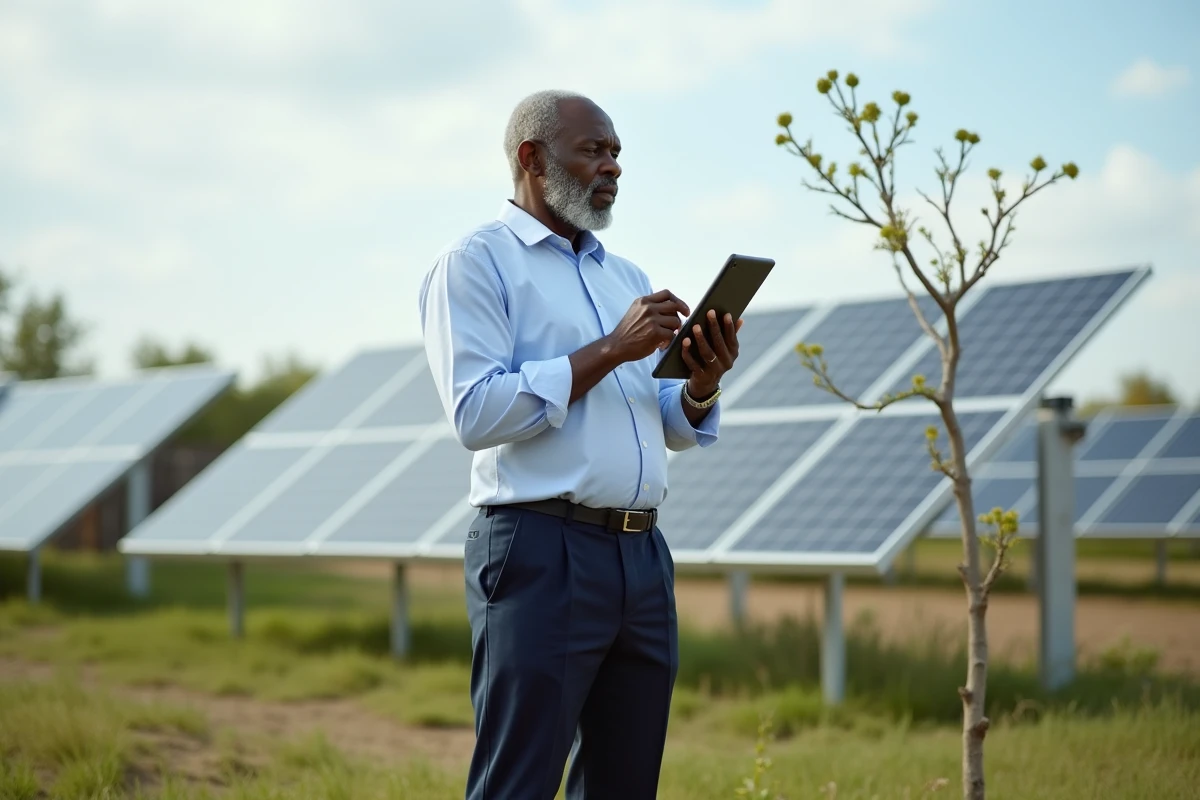
Digital technology, artificial intelligence in agriculture or health, and logistical modernization reflect a concrete desire to produce more value locally. Renewable energies and the rise of digital infrastructure, supported by proactive public policies, embody this momentum for more balanced development.
The IMF supports this transformation with targeted financing and technical assistance. On the ground, unprecedented alliances are forming, teams are upskilling, and collective strategies are being developed to overcome persistent financing obstacles. Betting on the strength of local networks and investing in solutions tailored to the African context: this approach paves a promising path toward growth.
Africa’s energy pulses to the rhythm of its challenges. For those capable of reading between the lines and acting quickly, the continent is already writing its next chapters and holds many surprises for those who know where to look.