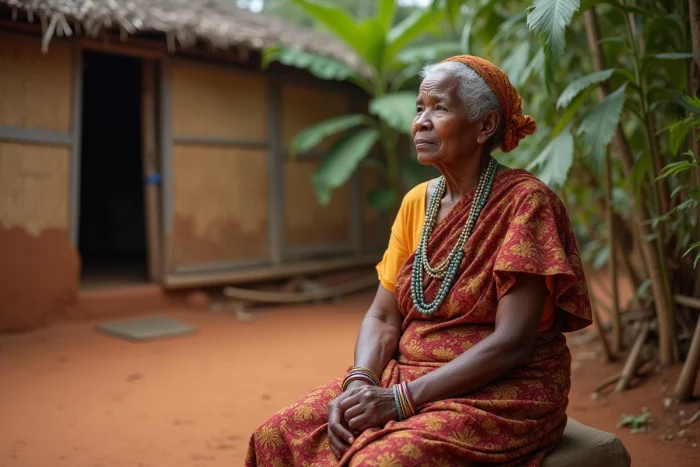
In Madagascar, certain taboos are not up for discussion. In several regions, goat meat remains off the table, while beef and pork take center stage during ceremonies. This abstinence is not dictated by taste or budget. It is imposed as a group rule, passed down orally, sometimes for so long that the origin has been lost along the way. What is surprising is that neighboring clans can display diametrically opposed practices, creating visible disparities within the same territory.
The historical and symbolic roots of goat in Malagasy culture
The taboos surrounding Malagasy goat are woven into a set of traditions, rituals, and collective beliefs. One cannot ignore the weight of the Malagasy ancestor worship: it shapes the relationship with food, the sacred, and everything related to transmission. Here, the goat is not an insignificant animal. For some, it carries a taboo; for others, it purifies or, conversely, brings a curse. It all depends on the lineage, the village, the family memory.
The influence of Malbar religion also permeates local culture. For some groups, the goat occupies a central place in rituals as an offering. Kali, a major figure in the Indian pantheon, receives goat sacrifices; in Réunion, Saint Expedit, seen as the Catholic counterpart of Kali, embodies an original religious syncretism. Mariamen, associated with the Black Virgin, illustrates how porous the boundary between Indian and Christian beliefs remains.
The goat also refers to the power of numbers: three and seven mark traditional treatments, delineating the rhythms of prohibitions and permissions. Refusing goat is a way to assert one’s belonging. The answers to the question why Malagasy people do not eat goat are rooted in a history of intersections, adaptations, and silences. The rituals, the goat’s place during ceremonies, the symbolism of its blood: every detail matters in this cultural fabric where food separates the sacred from the profane, unites or distinguishes groups.
Why do certain Malagasy communities abstain from consuming goat?
The issue of goat enters Malagasy dietary practices with a unique force. It is not a matter of flavor or chance. Abstinence is rooted in a series of food taboos inherited from previous generations. These prohibitions are anchored in the Malagasy ancestor worship: eating goat risks breaking the pact between the living and the dead, provoking the wrath of ancestors, and bringing misfortune upon the family.
Traditional dietary practices have also been shaped by multiple influences. Religious syncretism shapes daily life: women from Réunion of Malagasy origin, for example, juggle between food beliefs and modern medicine. They consult diviners, seek the ancestors, but do not exclude remedies from the doctor. This diversity of recourse shows how the goat is at the heart of a ritual system where food marks belonging or exclusion.
The taboos surrounding goat are reflected in the meticulousness of ceremonies, the attention given to the transmission of these rules, especially to the younger generations. Abstaining from goat unites the group, forges a common identity. Refusing this meat is to honor a memory, protect the whole, and respect an invisible order that far exceeds the simple choice of a dish.
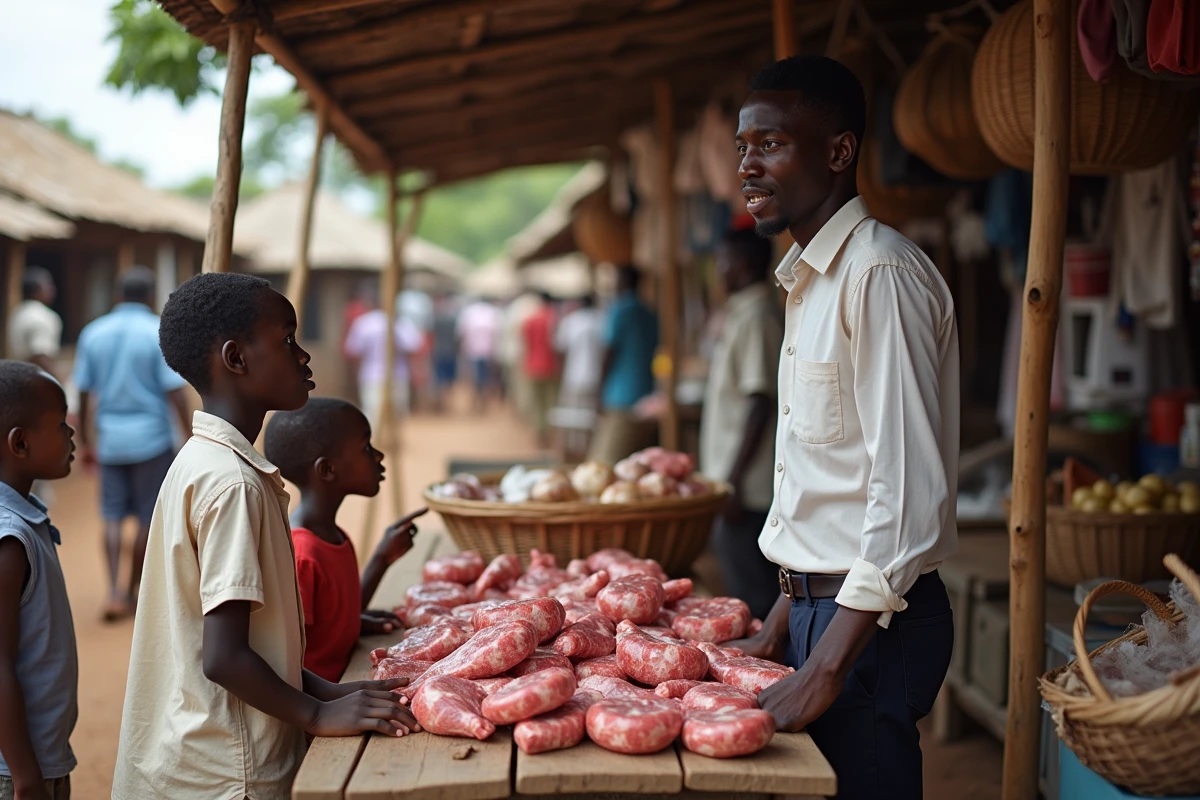
Religious beliefs, taboos, and the transmission of food prohibitions
The transmission of food prohibitions is deeply rooted in Malagasy family and community life. From childhood, stories abound: tales of witchcraft, protective ancestors, supernatural threats. Wearing an amulet is not merely ornamental: it is a barrier against curses, a way to keep at bay forces that could cause concrete ailments like alcoholism.
The role of the diviner becomes central when it comes to resolving a crisis. They diagnose, advise, prescribe rituals or purification actions inspired by Hinduism, or invite prayer according to Catholic tradition. The response to illness or distress is never singular: different approaches coexist. Here are some examples of recourse mobilized:
- the healing prayer in the Catholic tradition,
- the purification ceremonies inspired by Hinduism,
- invocations addressed to Mariamen or the Black Virgin,
- the use of amulets and other ritual protections.
Francine, for example, combines amulets and prayers, blending family heritage and religious practices to protect her loved ones. Christine, on the other hand, carefully ensures that her children respect the food taboo passed down by her lineage, fearing that non-compliance will attract curses. The blood of the goat, during rituals, concentrates all attention: it symbolizes purification, protection, and the transmission of power. This is the strength of these beliefs, capable of regulating daily actions and leaving their mark on habits from generation to generation.