
A number does not lie: 50% off the bill, and yet most households miss this lever to lighten the cost of tutoring. This tax credit, reserved for those who declare their tutor, applies equally to the teacher who walks through the living room door and to the interactive session conducted remotely. As for specialized organizations, they cannot improvise: diplomas and thorough checks are required for each tutor.
Every year, as exams approach, the search for personalized academic support intensifies. Yet, even in neighborhoods known for being better equipped, the gaps in success remain striking. In light of this reality, specialized platforms are revising their offerings: they no longer provide standard solutions but adapt their approach to each student, redefining the contours of the sector.
Home tutoring: why is it increasingly appealing to families?
Home tutoring is attracting more and more households, whether in Paris or in small towns across the provinces. Parents seek to offer their child much more than generic help: they want a solution tailored for them, suited to their needs and pace. Between private lessons, customized homework help, or reinforcement in subjects that often cause stumbling blocks, such as mathematics and French, the offerings are expanding, driven by demanding requests and the desire to finally individualize the support.
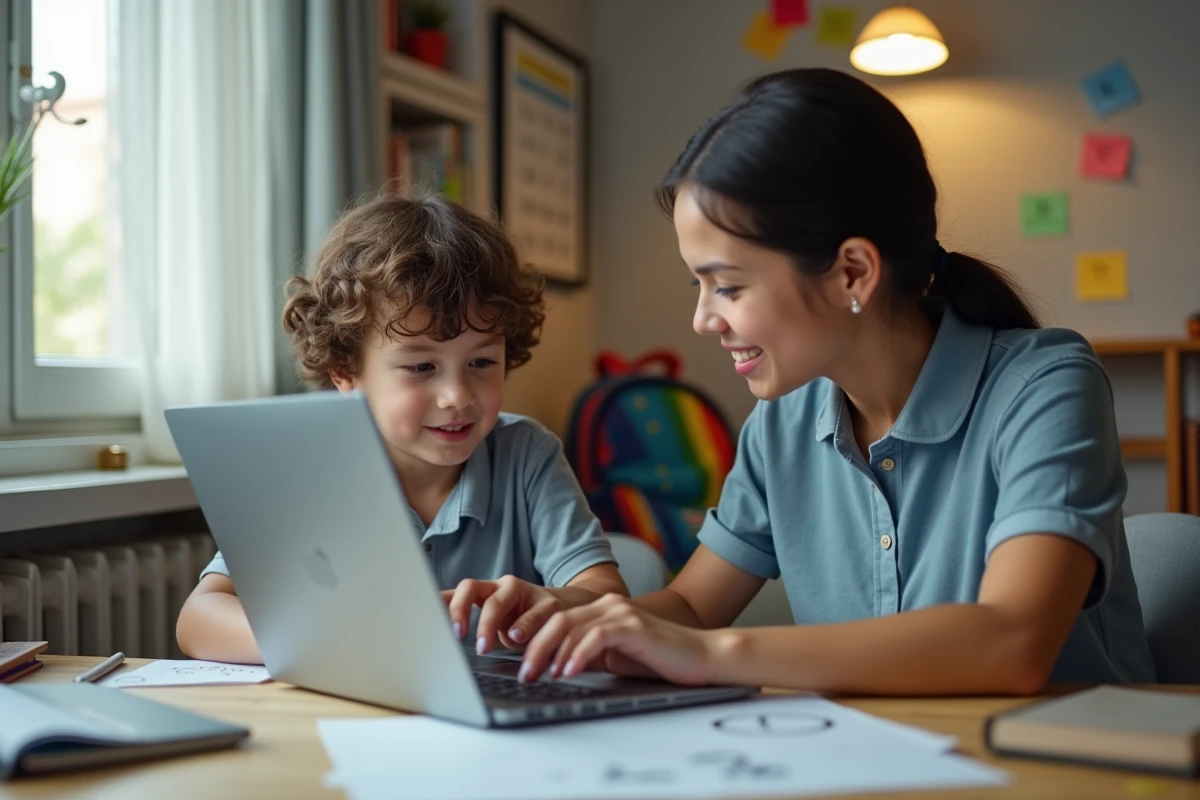
The arrival of a qualified teacher at home makes all the difference. The child learns where they feel comfortable, away from the collective gaze, which fosters concentration and confidence. Parents can regularly communicate with the teacher, redirect the work according to the difficulties encountered, and concretely track progress. This direct and constant connection builds a strong relationship, a driver of commitment and consistency.
Another argument weighs in: the 50% tax credit on the cost of the service. This scheme, by halving the bill, makes home support more attractive while imposing a strict framework: each tutor must present diplomas, a clean criminal record, and undergo regular checks. This requirement protects children, reassures families, and elevates the sector.
For those who want to stay informed about the evolution of these practices, Soutien Adom’s news offers a lively overview of new offers and methods. Flexible schedules, diverse teacher profiles, tailored follow-up: home tutoring is establishing itself as a concrete solution, adapted to family expectations and the ambition for academic success.
How does personalized home support work?
The support always begins with a structured exchange between the family and the chosen organization. A pedagogical advisor takes the time to understand expectations, analyze report cards, and identify areas to work on. This precise diagnosis then guides the selection of the private tutor. The organization leaves nothing to chance: verified diplomas, assessed teaching skills, criminal record checks—everything is scrutinized to ensure the child’s safety at home.
Based on this assessment, a custom study plan is developed. Each session has a specific objective: to revisit the basics, overcome a blockage, or prepare for an exam. The teaching methods evolve with age and subject matter. For younger children, educational games and interactive applications make learning more engaging. For middle and high school students, the focus is on methodology, understanding instructions, and time management.
The arrival of digital tools has transformed practices. Today, support is enriched with online resources, explanatory videos, and interactive exercises. Home sessions can continue in a virtual classroom, creating continuity that facilitates review and deepening of concepts. This follow-up is organized around three pillars: regular meetings, great flexibility in scheduling, and constant attention to the student’s progress.
To make this follow-up effective, several points structure the support:
- Regular pedagogical assessments to measure the student’s progress and adjust the content.
- Frequent exchanges between the teacher and family to review and anticipate difficulties.
- Continuous adaptation of methods and materials to closely align with the child’s real needs.
This model makes learning an evolving experience, always rooted in the reality of each student, and capable of adjusting over time.
Awareness: visible progress, tangible benefits for children’s success and confidence
Testimonials are unequivocal: home tutoring can permanently transform a student’s trajectory. Individualized support, adapted to each child’s pace and difficulties, produces tangible progress. The pedagogical assessments, shared throughout the year, reveal an upward trend: enhanced understanding, better results, regained motivation. Freed from the pressure of the group, the student dares to ask questions, takes ownership of concepts, and gains confidence.
The renewed confidence is observed daily. A encouraged child often regains the desire to learn. Each small victory during home sessions nourishes self-esteem and gives meaning to effort. As exams approach, progress becomes even more noticeable: time management, organization of revisions, and methodology become strong points.
Here are the concrete benefits regularly noted by families and teachers:
- Academic results: clearly identifiable progress in report cards, positive feedback from reference teachers.
- Academic motivation: renewed interest in subjects deemed difficult, increased involvement in personal work.
- Family satisfaction: positive evaluations in independent surveys, rising success rates.
The personalized follow-up allows for quick action on difficulties, preventing blockages from settling in. Children progress, regain confidence, and envision the future without fear. Ultimately, the effects go far beyond the grades on the report card: autonomy, better organization, ease in oral expression. This virtuous circle, nourished by listening and consistency, outlines a sustainable and promising learning trajectory.