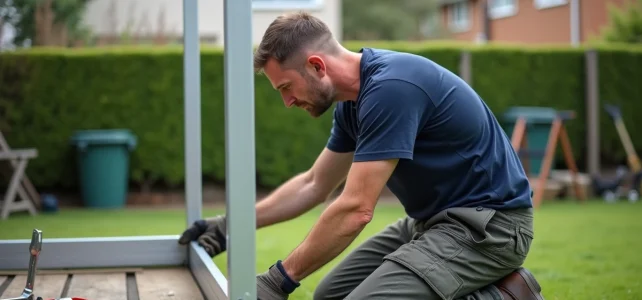
Most aluminum carport models offered by DIY stores do not require a building permit for less than 20 m², nor advanced technical skills. However, nearly one-third of installations fail due to anchoring errors or poor material choices. Local constraints, often unknown, impose precautions before any order.
On the market, prefabricated kits vary widely in terms of strength, ease of assembly, and maintenance. Several essential criteria help avoid disappointments and optimize the durability of the structure.
Further reading : Discover tailored training to succeed in home tutoring
Why choose a Brico Dépôt aluminum carport: strengths, options, and materials to know
Choosing a Brico Dépôt carport means betting on practicality, robustness, and simplicity. Aluminum quickly stands out: lightweight, strong, it requires no special maintenance, unlike wood which needs treatment and regular monitoring. A carport effectively protects all types of vehicles: city cars, vans, motorhomes, or leisure vehicles all find their place. More flexible than a traditional garage, the carport appeals with its discretion and ability to adapt to the available space.
The choice of material plays a key role. While aluminum is ideal for the structure, the roofing can vary: translucent polycarbonate to let in light, steel panels for more resistance, or even wood for a different aesthetic. For those looking to go further, some models even integrate solar panels, allowing for the production of green energy. Pairing with a solar generator like the Jackery Solar Generator 2000 v2 is a step towards energy autonomy.
Recommended read : Discover the best alternatives to easily replace scallions in cooking
The Brico Dépôt offer provides a real variety, suitable for every situation:
- Wall-mounted model, ideal for optimizing space along a wall;
- Freestanding version, independent of any facade;
- Double format, accommodating two vehicles side by side;
- Closed model, equipped with side walls for increased protection.
The kit format simplifies installation and leaves the door open to multiple customizations: integration of lighting, rainwater management, choice of colors, installation of a privacy screen or slatted walls. Installing a Brico Dépôt aluminum carport allows for a combination of protection, aesthetics, and adaptation to its environment. Taking the time to consult customer reviews helps refine the decision and avoid unpleasant surprises.
Installing an aluminum carport: key steps to successfully complete your project at home
To ensure the stability of the structure, the first step is to carefully prepare the ground. A well-leveled surface and a solid base are essential. The construction of concrete foundations is necessary: they support the posts and ensure resistance to wind, rain, and snow. Mark the location, dig, and then pour the concrete at the anchor points of the posts.
The assembly of the kit follows. The aluminum elements are designed to fit together precisely. Just follow the instructions: each post must be perfectly vertical, and the roofing securely fixed. A level and a torque wrench prove invaluable for this adjustment work. Nothing is left to chance: even the slightest inaccuracy affects long-term strength.
Remember to adjust the height and width to your needs: a small city car, van, or motorhome does not require the same configuration. Adding side walls is possible to enhance protection against rain or wind and secure the surroundings.
Last point not to overlook: managing rainwater. Installing a gutter or drainage system at the end of the roofing protects the structure and prevents puddles or moisture from forming near the house. A well-installed carport becomes a functional space, enhancing the property while effectively sheltering vehicles.
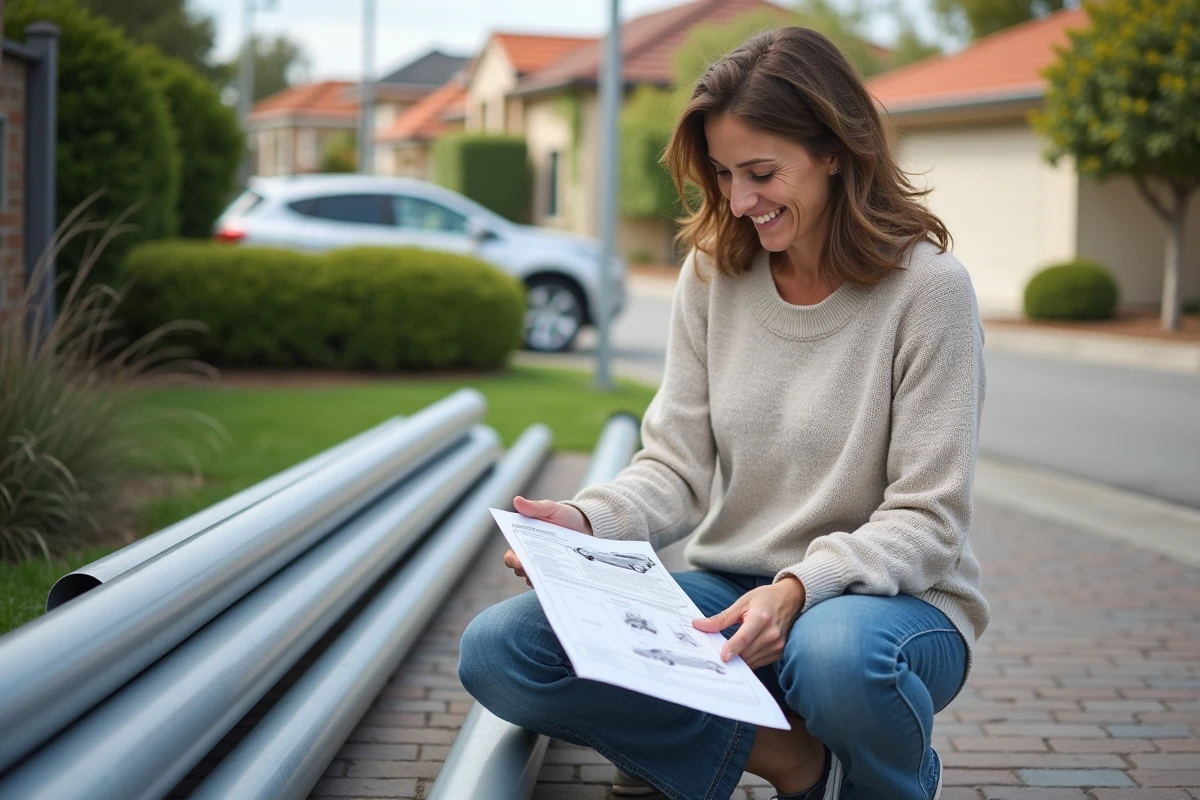
Regulations, practical advice, and tips for properly equipping and enhancing your outdoor space
The aluminum carport is appealing due to its modularity: whether wall-mounted or freestanding, single or double, it easily adapts to every situation. Before taking action, a detour through the Local Urban Planning Plan (PLU) of the municipality is essential. The rules change depending on the surface area, height, and location. To clarify, here is an overview of the required procedures:
- Less than 5 m² outside protected areas: no formalities required;
- Between 5 and 20 m²: prior declaration of work at the town hall is mandatory;
- More than 20 m² or in classified areas: building permit is essential.
Beyond the administrative aspect, the development tax should be anticipated as soon as the structure exceeds 5 m² and 1.80 m in height. Its calculation depends on the rates set by the municipality and the department.
For a shelter that lasts, do not neglect the anchoring: concrete foundations, perfectly aligned post anchoring, drainage of rainwater through an appropriate gutter. Side walls, whether privacy screens or solid panels, protect against the elements and structure the outdoor space.
Some simple tips make a difference: install integrated lighting to secure and highlight the surroundings, choose painted aluminum finishes to limit maintenance, customize the color so that the carport harmoniously integrates with the house. A well-thought-out carport that complies with local regulations transforms the shelter into a real asset for your property. For those looking to protect their vehicle or motorhome while enhancing their outdoor space, the solution is clear: practicality and elegance, united under the same roof.