Since 2016, Brittany has consistently ranked among the top five most visited French regions according to INSEE. However, the influx is not solely concentrated on the beaches in summer: some inland villages have seen a 20% increase in visitors during the off-season.
The diversity of UNESCO World Heritage sites contrasts with the small area of the territories involved. The itineraries offered by tourist offices now favor a more balanced distribution between the coast and the hinterland, encouraging visitors to go beyond traditional routes.
Why Brittany fascinates travelers
Brittany has the rare gift of attracting, surprising, and enchanting. Comprising four departments—Ille-et-Vilaine, Côtes-d’Armor, Finistère, and Morbihan—the region boasts an incredible mosaic of landscapes, traditions, and stories. Rennes, a vibrant capital, sets the tone: medieval alleys, timber-framed facades, and the majestic Parliament of Brittany. Here, every stone tells a part of the past.
What strikes you is Brittany’s way of weaving the imaginary with the real. The Forest of Brocéliande is not just a name: the Arthurian legend breathes here, in every path, in every clearing. In Carnac, the standing megaliths defy the centuries and understanding, silent guardians of a prehistoric heritage. The nearby Mont-Saint-Michel stands at the border of Normandy but remains deeply rooted in Breton memory.
Here, you encounter medieval towns, steep cliffs, secret islands, and deep forests. The curious consult destination-bretagne.fr to navigate and grasp the full extent of possibilities, as Brittany reveals itself with the changing seasons: mist over the moors, storms on the capes, and low light on the shores. This territory invites exploration, questioning, and feeling. Nature shapes the narrative. History flows through every stone. Nothing is fixed; everything is alive.
An overview of iconic places to explore, from Saint-Malo to the Crozon Peninsula
In Saint-Malo, the sea crashes against the walls of the corsair city. The ramparts watch over the narrow streets, the white sand, and the vast beaches of Sillon or Bon Secours. A few kilometers away, Cancale continues the tradition of oysters, to be enjoyed with a view of the Mont-Saint-Michel.
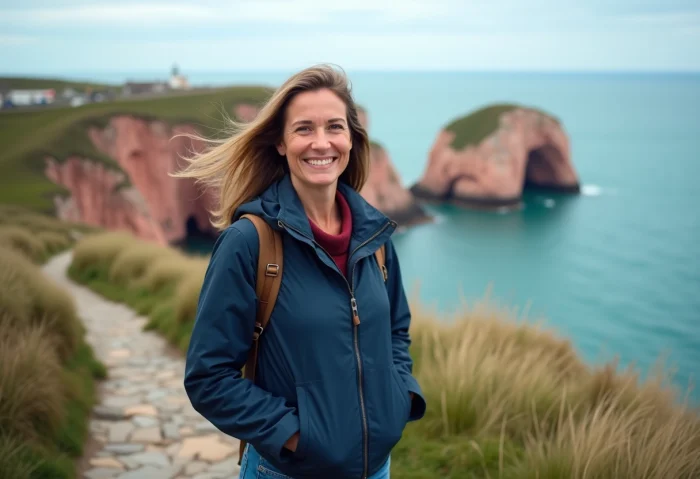
Further north, the Pink Granite Coast unfolds its chaos of pink rocks between Perros-Guirec and Trébeurden. The customs path zigzags between sculpted blocks, and the Mean Ruz lighthouse in Ploumanac’h watches over the sea. The island of Bréhat, nicknamed the “island of flowers,” can be explored on foot or by bike, among agapanthus and coastal paths, leading to the Paon lighthouse.
Heading west, the Finistère becomes wilder. From the Pointe Saint-Mathieu, the gaze wanders between the lighthouse, the ruined abbey, and the semaphore facing the Atlantic. Le Conquet, a small authentic port, opens the way to Ouessant and Molène. On the Crozon Peninsula, each promontory—Pointe de Pen-Hir, its Tas de Pois, Camaret-sur-Mer, Morgat Bay, and Cap de la Chèvre—offers panoramas of raw intensity. Cut cliffs, salty wind, untamed ocean.
On the road, Brittany reveals a thousand faces. The medieval villages of Dinan or Locronan, the alignments of menhirs in Carnac, and character-filled towns like Pont-Aven or Quimper. There is no monotony: every detour holds a surprise, every stop offers a unique atmosphere. Here, it is impossible to get bored or to grasp everything at a glance.
Practical tips to make the most of your Breton stay
The Breton climate can be unpredictable: it’s best to be cautious and pack a raincoat, windbreaker, or fleece, even in summer on the Pink Granite Coast or during a walk on the cliffs of Crozon. Good shoes are essential for walking comfortably on the customs path or the cobblestones of old towns.
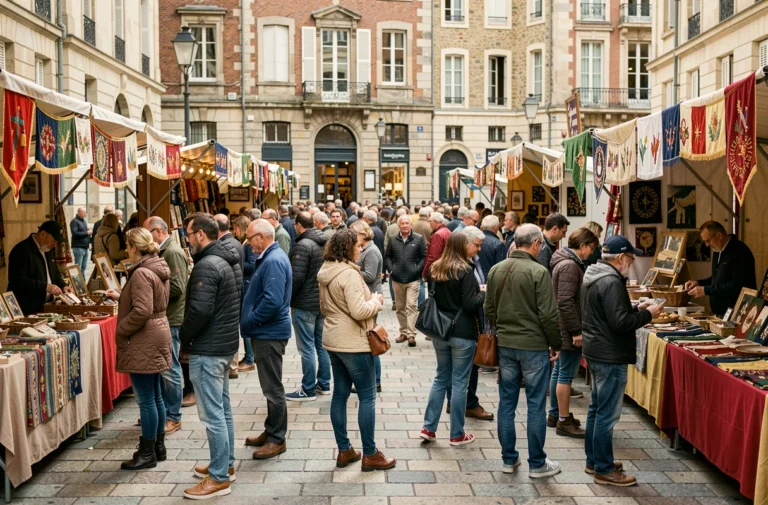
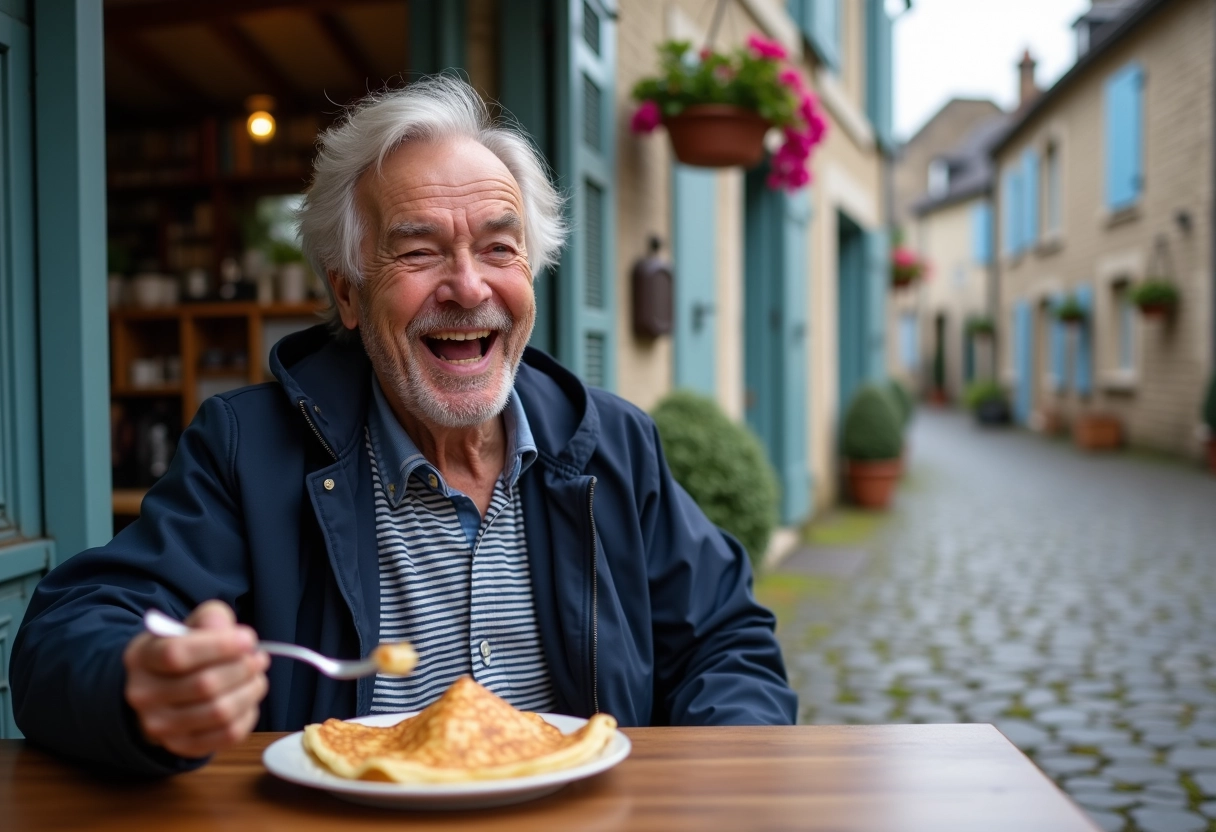
To fully enjoy authentic Brittany, nothing beats a stop at the markets. The Lices market in Rennes is filled with local products. In Cancale, oysters enjoyed facing the sea become an unforgettable memory. Off-season, major sites like Saint-Malo, Carnac, or Belle-Île-en-Mer reveal a precious tranquility, preserved landscapes, and genuine encounters.
Here are some recommendations for organizing your Breton explorations:
- Plan your maritime crossings to Belle-Île-en-Mer, Houat, Hoedic, or the islands of the Gulf of Morbihan: booking helps avoid unpleasant surprises.
- Keep in mind the importance of respecting nature: certain reserves, like the megalithic sites of Carnac, require vigilance and discretion from visitors.
Experiencing Brittany also means taking the time to listen to stories in the Forest of Brocéliande, stopping to admire the light on a timber-framed house, and soaking in local traditions. Here, everything changes with the sky, everything invites curiosity. Brittany is discovered, experienced, narrated, and leaves no one indifferent.